
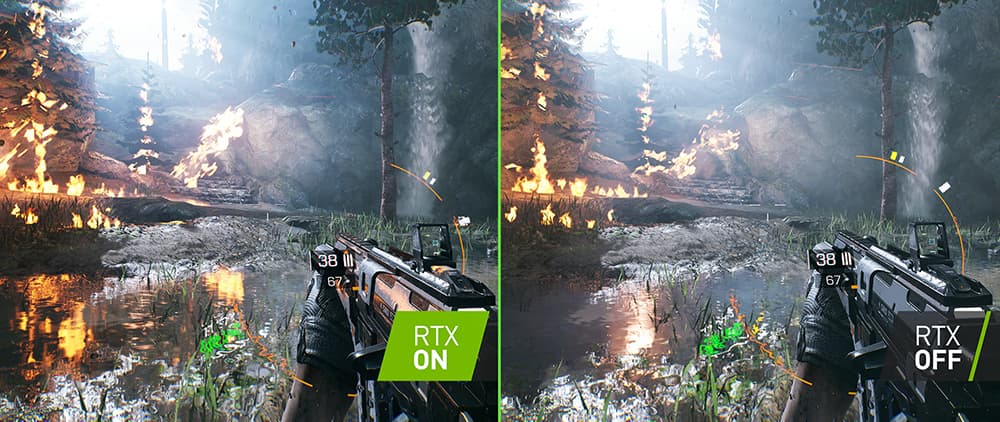
Ray tracing technology can impose a serious load on performance while providing realistic lighting and reflection in games. Using ray tracing in 2025 is still debatable: Is it worth the visual quality, or is the FPS loss too much?
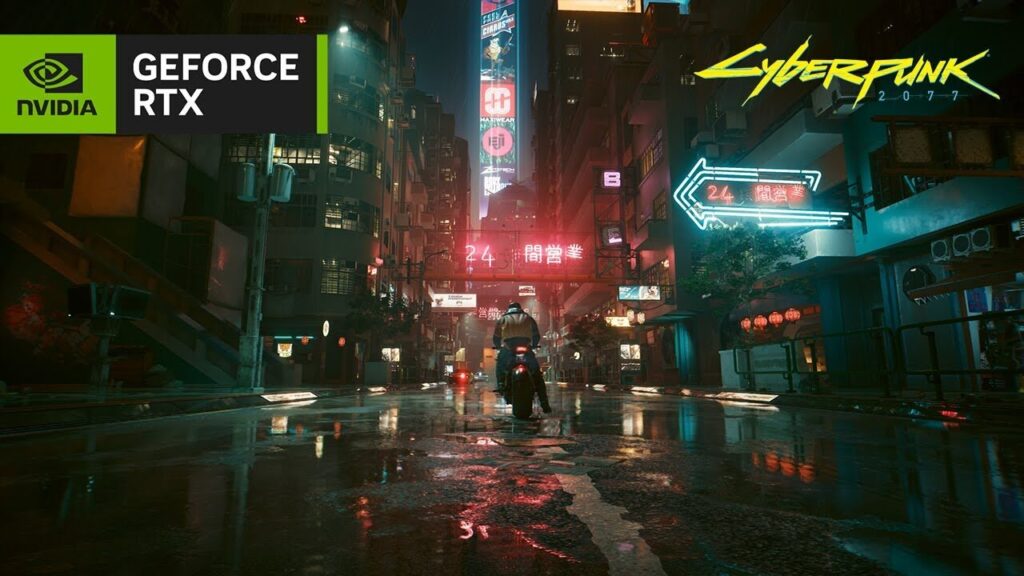
Ray tracing simulates the physical interaction of light rays with objects in the game world. This technology makes shadows, reflections, and light transitions appear more natural. Modern graphics cards like RTX 4000/5000, RX 7000 series, and Intel Arc support this feature.
✅ Advantages of Ray Tracing
- Realistic Lighting: Ensures environments look more natural.
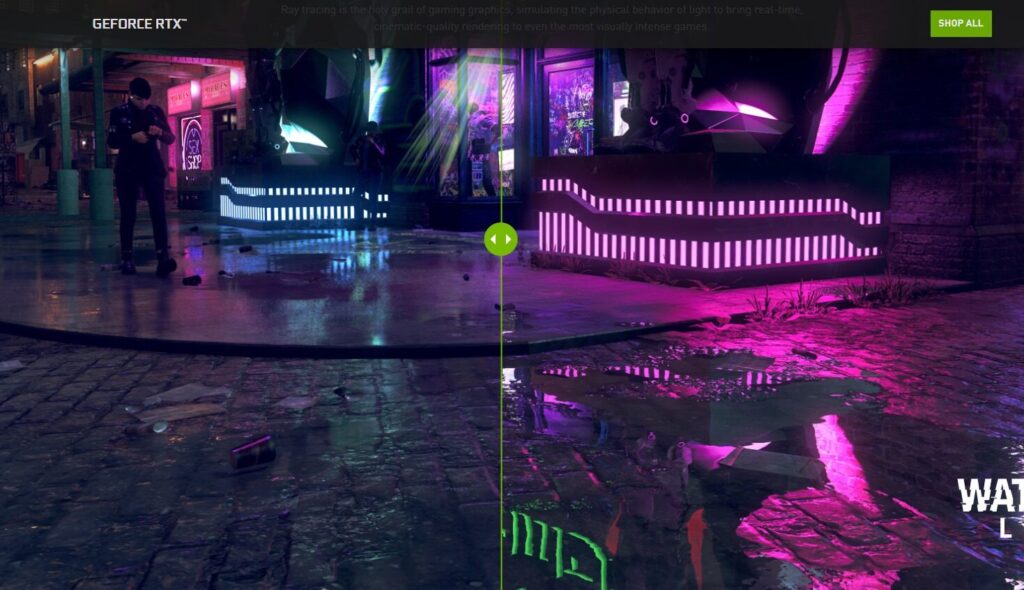
- Accurate Reflections: Correct light and object reflections on surfaces like glass and water.
- Cinematic Experience: Turns games into a movie scene.
- Detailed Shading: Shadows shaped according to the light source enhance realism.
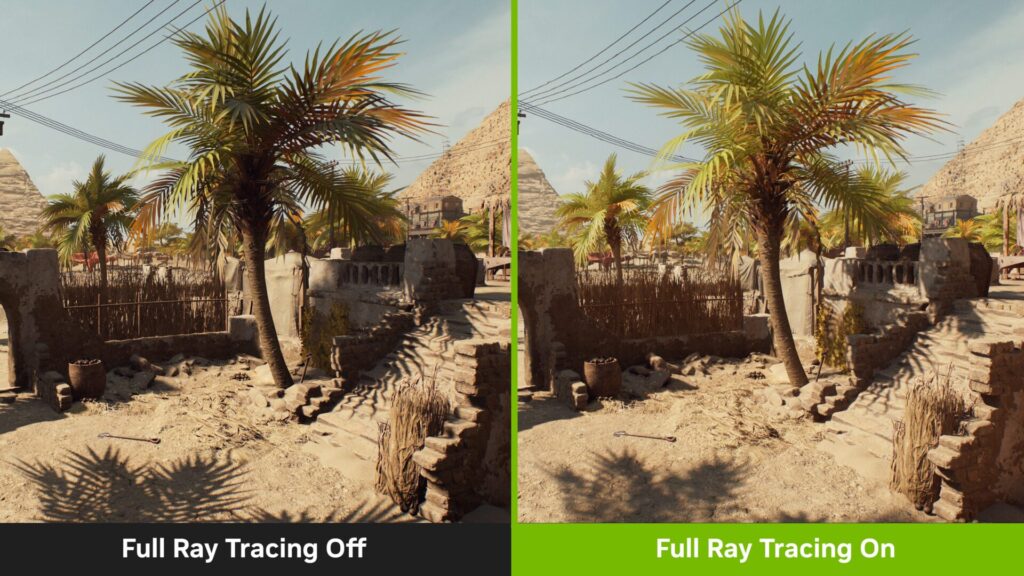
❌ Disadvantages of Ray Tracing
- FPS Drop (20-60%): Significant performance loss, especially on mid-range systems.
- Hardware Requirement: Entry-level graphics cards cannot smoothly run ray tracing.
- More Challenging at High Resolutions: Performance impact multiplies at 2K/4K resolutions.
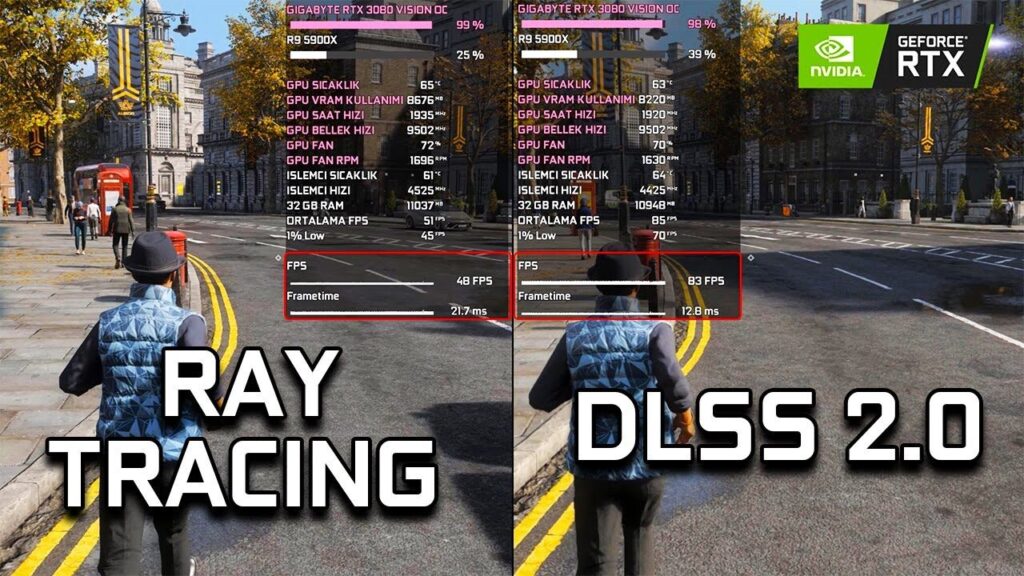
🔔 Ray Tracing + DLSS/FSR Usage
- DLSS (NVIDIA), FSR (AMD), XeSS (Intel): Renders at low resolution to enhance quality.
- In DLSS Quality mode: Achieves 60+ FPS even with ray tracing enabled.
- DLSS 3.5 and FSR 3.1: By frame generation, significantly improves FPS as of 2025.
🎮 Which Games Should Use Ray Tracing?
| Game Type | Ray Tracing Status | Recommendation |
|---|---|---|
| Story-Driven Games | Cyberpunk 2077, Alan Wake 2 | Enabled (Supported by DLSS) |
| Cinematic Actions | Metro Exodus, The Witcher 3 | Enabled |
| Competitive FPS | Valorant, CS2, Apex Legends | Closed (FPS priority) |
| Simulation / RPG | Flight Simulator, Starfield | Partial usage possible |
🤔 Is It Worth Enabling Ray Tracing?
- If you have a powerful system (RTX 4080/5080 or RX 7900 XT+): Yes, it is logical to enable it for visuals.
- On mid-range hardware: Should only be enabled in games supported by DLSS or FSR.
- In competitive games: Should definitely be kept off, FPS is more important.
🧠 Realism or Performance?
Although ray tracing has become more optimized in 2025, its impact on performance is still significant. If your system is powerful and you prefer cinematic experience, enabling ray tracing makes sense. However, in games where every frame of FPS is crucial, this technology cannot go beyond being a luxury.
🎮 Which Games Should Use Ray Tracing?
| Game Type | Ray Tracing Status | Recommendation |
|---|---|---|
| Story-Driven Games | Cyberpunk 2077, Alan Wake 2 | Enabled (Supported by DLSS) |
| Cinematic Actions | Metro Exodus, The Witcher 3 | Enabled |
| Competitive FPS | Valorant, CS2, Apex Legends | Closed (FPS priority) |
| Simulation / RPG | Flight Simulator, Starfield | Partial usage possible |
🤔 Is It Worth Enabling Ray Tracing?
- If you have a powerful system (RTX 4080/5080 or RX 7900 XT+): Yes, it is logical to enable it for visuals.
- On mid-range hardware: Should only be enabled in games supported by DLSS or FSR.
- In competitive games: Should definitely be kept off, FPS is more important.
🧠 Realism or Performance?
Although ray tracing has become more optimized in 2025, its impact on performance is still significant. If your system is powerful and you prefer cinematic experience, enabling ray tracing makes sense. However, in games where every frame of FPS is crucial, this technology cannot go beyond being a luxury.
